

AGENCY, CONNECTION, RESILIENCE
“Trauma sensitive somatics means understanding the impact of trauma & using body-based practices to support resilience & restoration.”
Kate Watkinson

TRAUMA and the BODY
Trauma is not what happens to you but what happens within your body as a result. We harness the wisdom of the body to process and heal.
When experiencing trauma, the body automatically protects itself by activation of the sympathetic nervous system or dorsal vagal shutdown, leading to fight, flight, freeze, or fawn responses.
These states are involuntary protective reactions to threats. For people who have experienced trauma, the response may continue, sometimes long after the traumatic event.
Somatic therapeutic practices acknowledge that trauma is held and healed within the body. We honour the body’s innate capacity for recovery and regulation.

EVIDENCE-BASED THERAPY
We offer empirically validated, body-based interventions to support healing from burnout, stress, and trauma.
Research demonstrates the efficacy of bottom-up therapeutic approaches that work with the body’s survival response and subcortical regions of the brain.
Trauma Sensitive Somatics aims to regulate the nervous system and address a felt sense of safety. ‘Regulate before Reason’ underpins the therapeutic ethos. This means that creating a felt sense of safety occurs to support whaiora (clients seeking health) to then engage in cognitive and emotional processing.
We have trained in Trauma Center Trauma Sensitive Yoga (TCTSY), Havening & Integrative Somatics. These therapeutic modalities utilise body-based practices to support people in developing safety, agency and wellbeing.
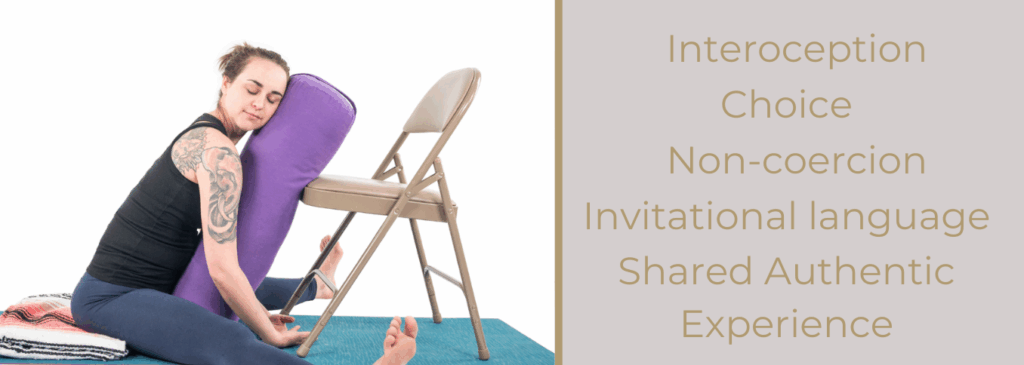
CORE COMPONENTS of TRAUMA SENSITIVE YOGA
TCTSY has foundations in trauma theory, attachment theory, neuroscience, an understanding of systemic oppression and hatha yoga, with an emphasis on body-based therapy.
The core components of TCTSY are –
- INVITATIONAL LANGUAGE. Trauma survivors most likely have experienced a power over dynamic. Invitational language encourages self-empowerment.
- CHOICE MAKING. Participants are offered choices about how they practice yoga. This supports a sense of agency.
- INTEROCEPTION. Is the capacity to feel sensation within one’s body which can be disrupted with trauma. The practice cultivates interoceptive awareness.
- SHARED AUTHENTIC EXPERIENCE. Mutual participation between the facilitator and participant highlights attunement and relationship.
- NON-COERCION. “No intervention that takes power away from the survivor can possibly foster recovery no matter how much it appears to be in the person’s immediate best interest”. Judith Herman, MD

“The single most important issue for traumatized people is to find a sense of safety in their own bodies.”
Bessel van der Kolk
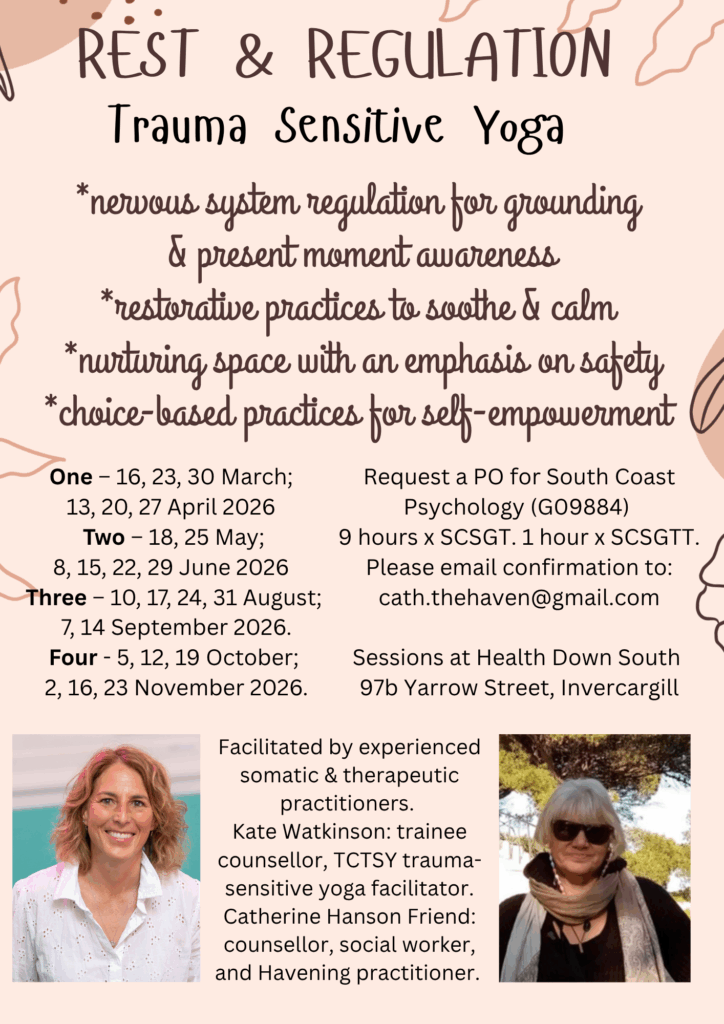
TRAUMA SENSITIVE YOGA OPTIONS
Group sessions take place in Invercargill on Monday evenings. A trained Social Worker/Counsellor is also present to offer support. ACC sensitive claims approved.
Individual sessions where Kate works privately with a client are also available.
HOW TO BOOK
“The possibility of renewal exists as long as life exists”.
Gabor Mate, MD