

NERVOUS SYSTEM REGULATION RESOURCES
Integrating ancient practices such as yoga & meditation with modern science, such as Polyvagal Theory, we utilise these practices ourselves and with clients. These are physiological tools that support you to be in an optimal range of thriving. Some call this the ‘window of tolerance’, where you feel regulated & safe enough to journey with whatever life throws your way.
Please note that each of us responds uniquely to nervous system regulation practices. There is no magic one-size-fits-all. Honour yourself by engaging in the tools that work for you.
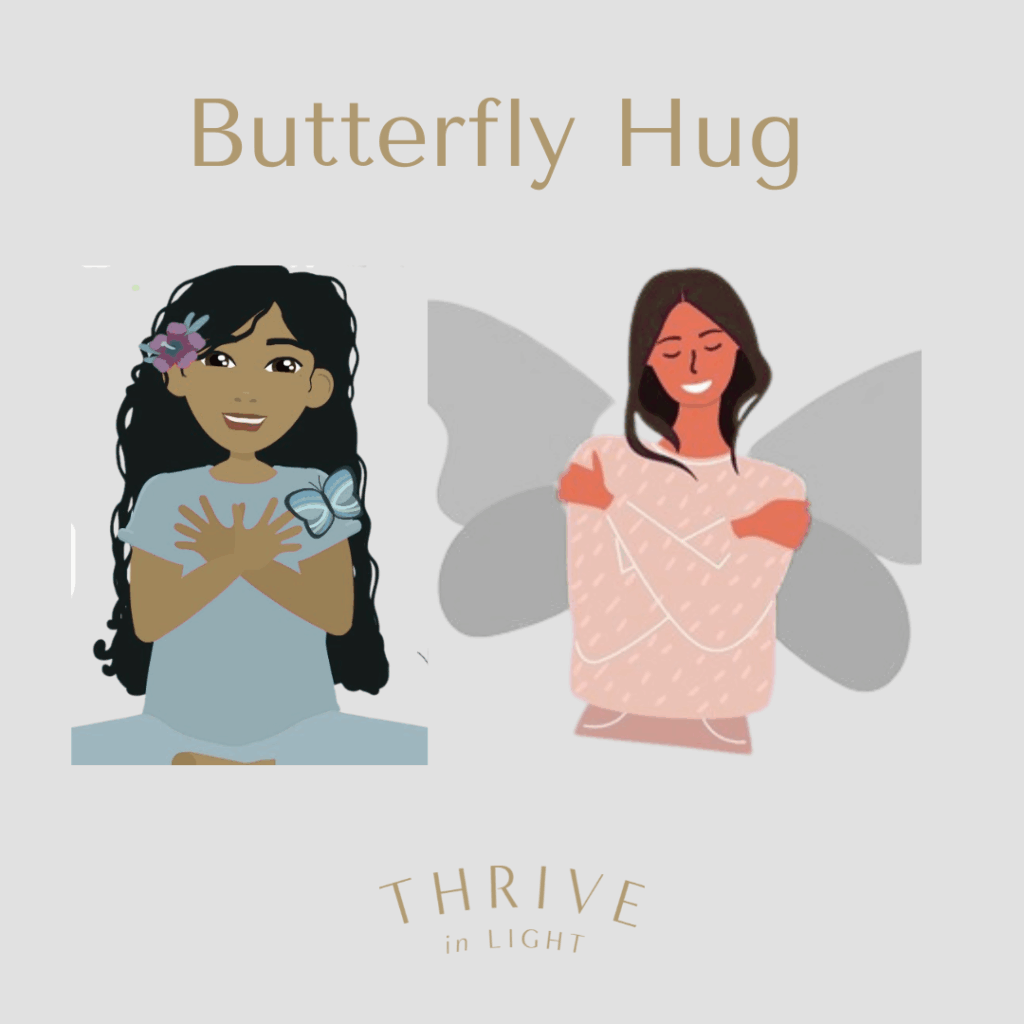
The BUTTERFLY HUG is a kinesthetic bilateral stimulation technique offering self-soothing. It supports emotional regulation, a felt sense of safety and reduced anxiety.
It involves rhythmic tapping or massaging movements on your body to create a sense of comfort and security.
How to Practice:
Hug yourself: Cross your arms over your chest or upper arms.
Tap or Massage: Gently tap or massage your hands on your body in a soothing and rhythmic way.
Breathe Mindfully: As you tap or pat, breathe slowly & deeply. Inhale through your nose, and exhale through your mouth.
- Engage in the Moment: Focus on the touch of your hands and the rhythm of your breath.
Source: Jarero, I., & Artigas, L. (2026).
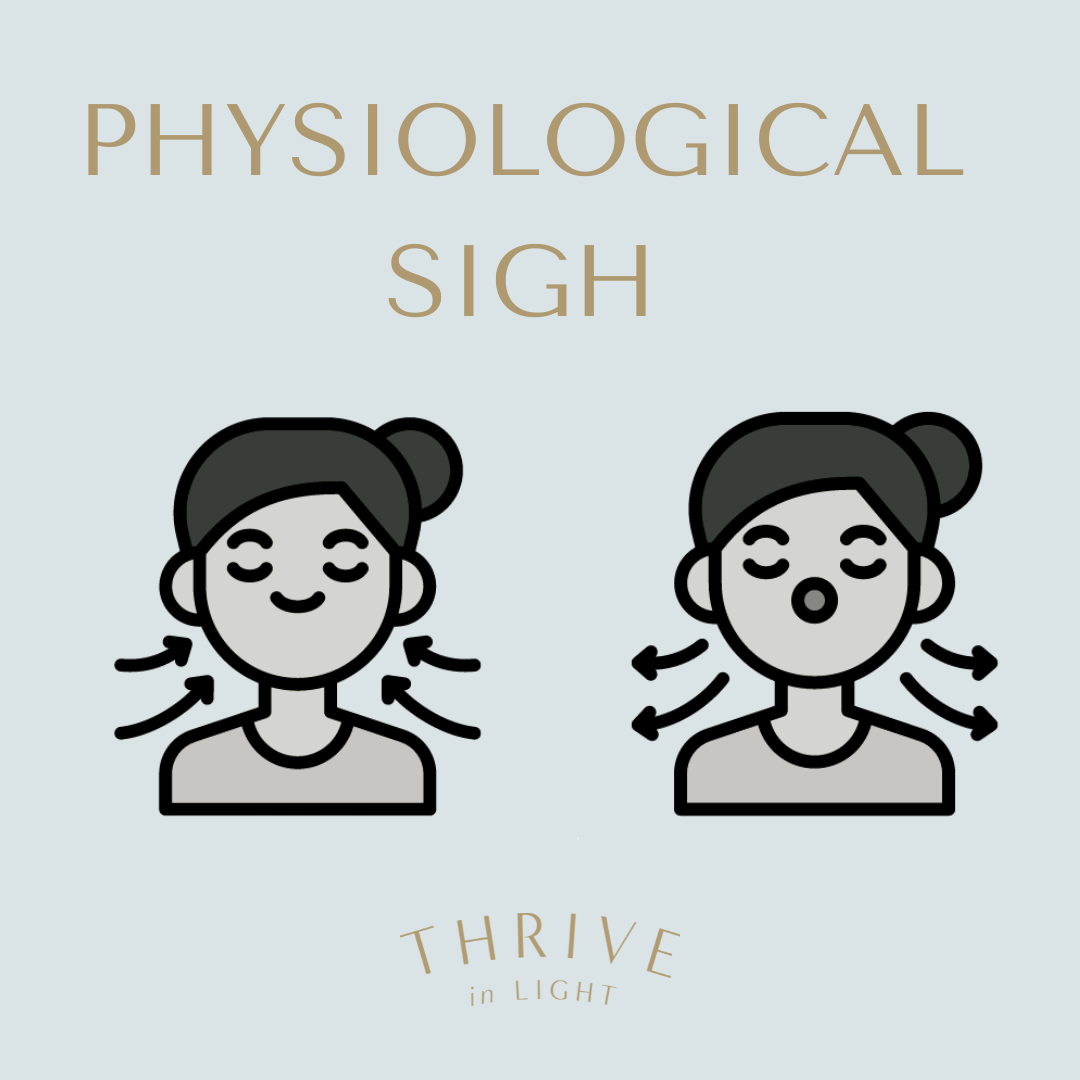
The PHYSIOLOGICAL SIGH is a powerful breath pattern proven to be one of the most effective means to de-escalate stress & increase calm. It can reset the body’s homeostasis, supporting regulation. This breath involves a double inhale and an extended exhale.
How to Practice:
1. Inhale deeply through your nose.
2. Take a second short inhale (sniff) through your nose.
3. Let out an extended exhale & sigh through your mouth.
4. Do 1-3 rounds.
The double inhale increases oxygen uptake, which in turn offloads carbon dioxide. The Physiological Sigh can be effective in restoring optimum breathing, which in turn supports wellbeing.
Source: Huberman (2023).
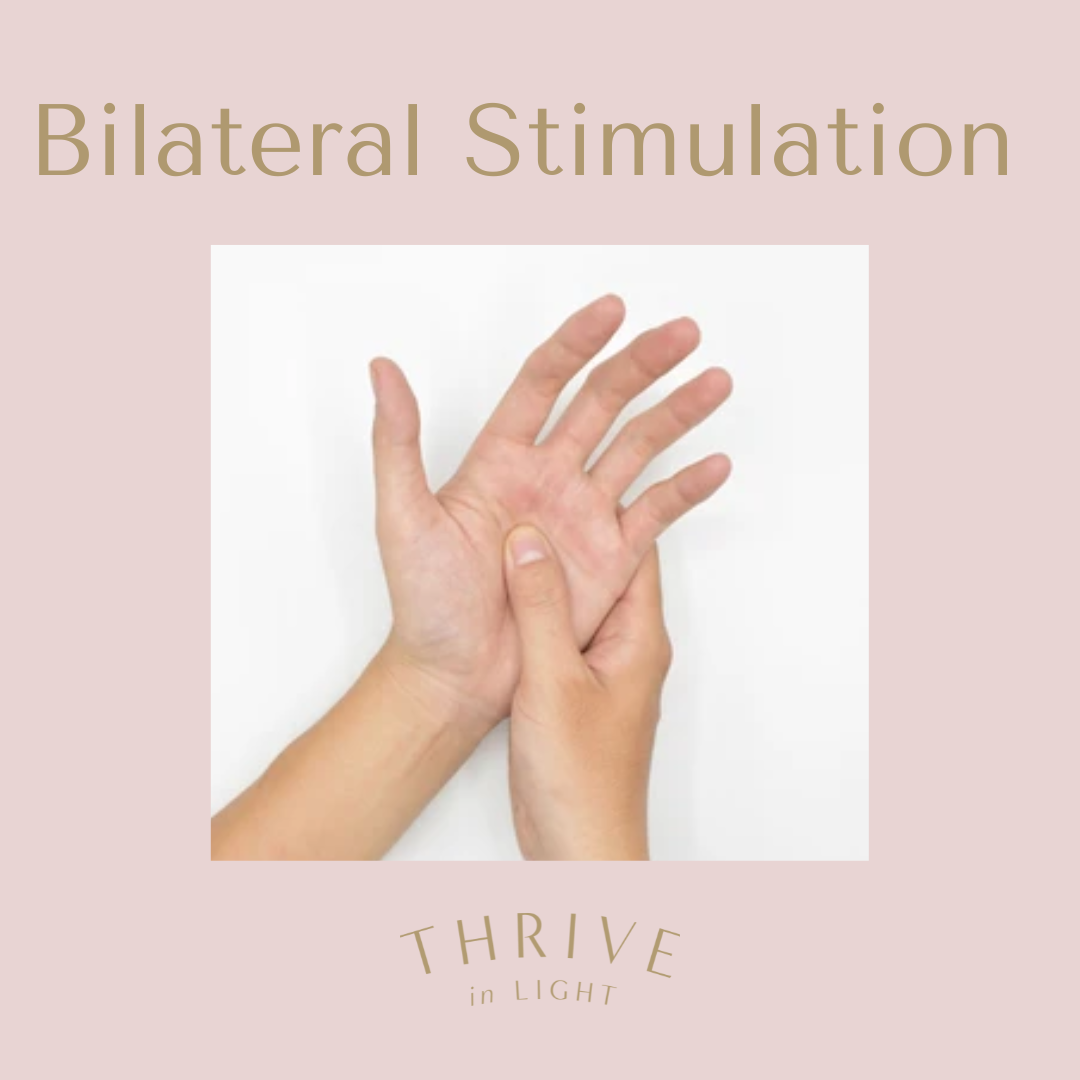
BILATERAL STIMULATION (BLS) is a therapeutic technique that engages both hemispheres of the brain through rhythmic, alternating stimuli. Forms of BLS include tactile (touch), auditory, and eye movements. BLS can help to regulate the autonomic nervous system, reducing hyperarousal and distress. It can also support emotional processing.
How to Practice Tactile BLS:
1. Gently rub your hands together as if you were moisturising your skin.
2. Alternatively, you might use your thumb to massage your opposite palm.
3. While massaging your hands, you might focus on a positive thought or on the sensation of touch.
Source: Trauma Therapist Institute.
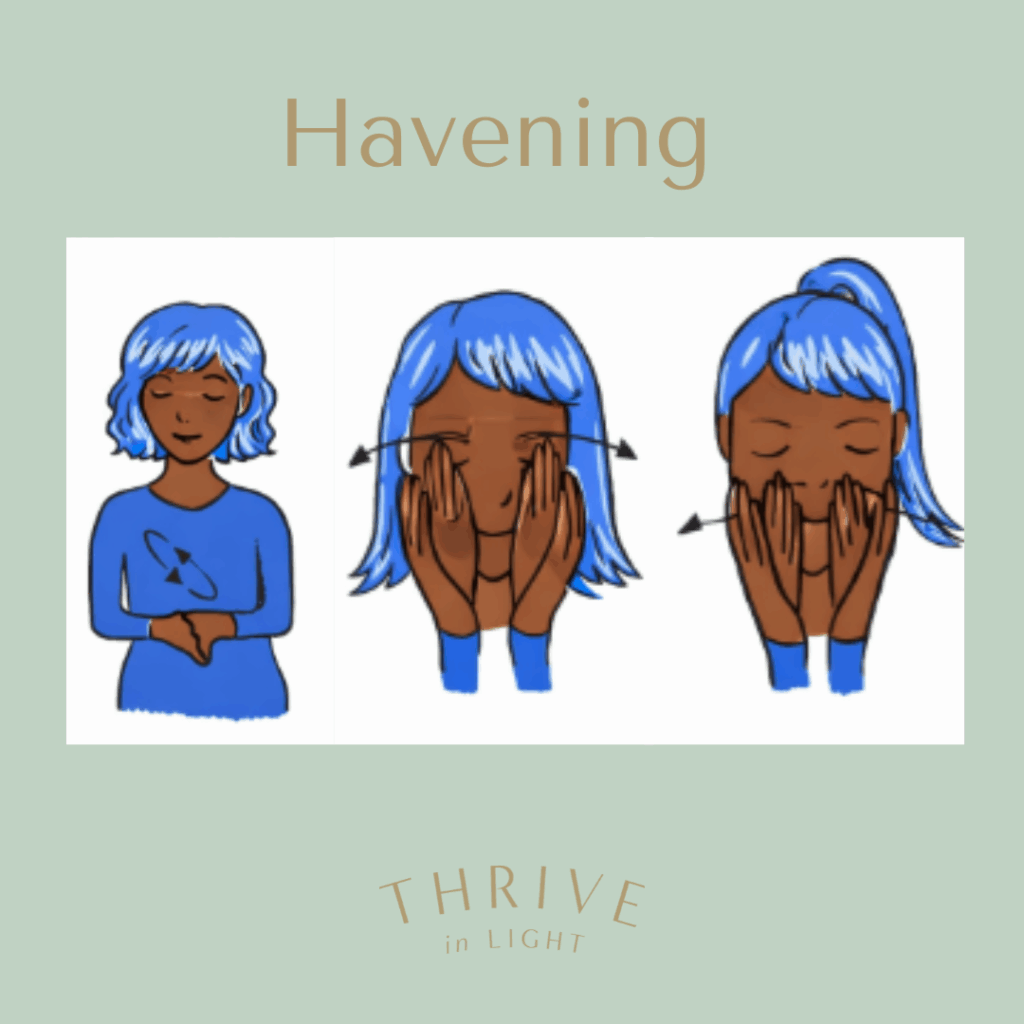
HAVENING uses soothing touch to reduce feelings of distress and alter brain activity for optimal function. Havening can be facilitated by a practitioner, or a person can use self-havening techniques. It supports emotional regulation and adaptive processing of painful thoughts.
How to Practice Self-Havening:
1. Palm Havening: rub the palms of your hands together in a slow, soothing motion.
2. Gently stroke your hands from the inner to outer forehead and around your eyes.
3. Gently stroke your hands in the middle & lower face area, starting in the centre and moving outwards.
4. While self-havening, take extended exhalations and visualise your safe place.
Source: Sumich et al. (2022).
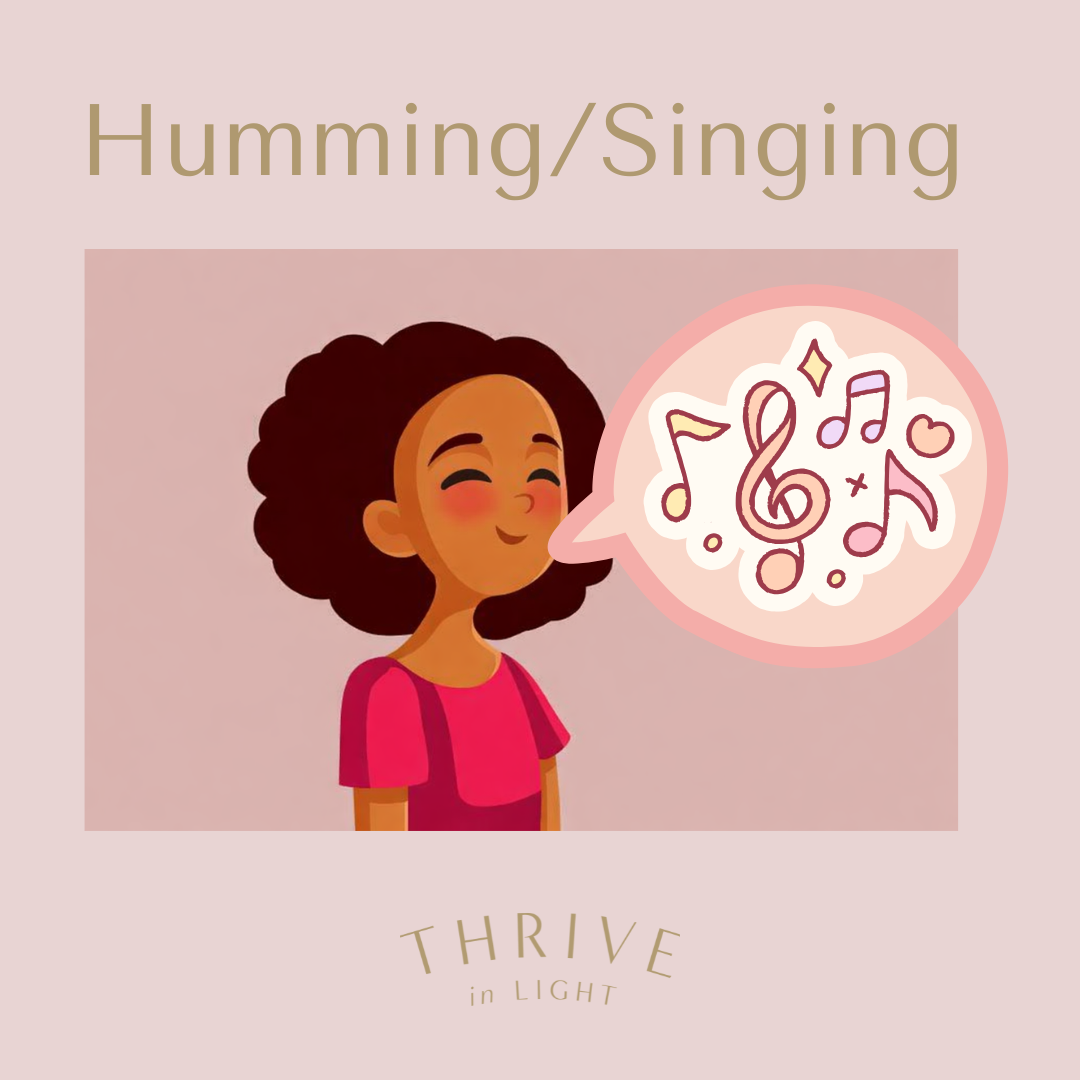
HUMMING & SINGING stimulate the vagus nerve, which regulates stress responses and enhances parasympathetic tone (calm & safety). Additionally, sympathetic activation is slowed down, reducing stress. Gentle sounds, such as humming, calm the vagus nerve, which connects to the larynx, middle ear, chest, lungs, and gut. When we hum and sing, we tone this nerve, creating a calming, soothing, restorative response.
How to Practice:
1. With your lips together, gently make a “Mmmmm” sound (you might think of your fave food).
2. Say an extended, “Ohhhhh” as if you have just heard something interesting.
3. Combine movement, breath, and sound. Inhale and raise your arms. Exhale, saying ‘Ahhhhh’ as you lower your arms.
Source: Woo & Kim (2025) & Trauma Research Foundation.
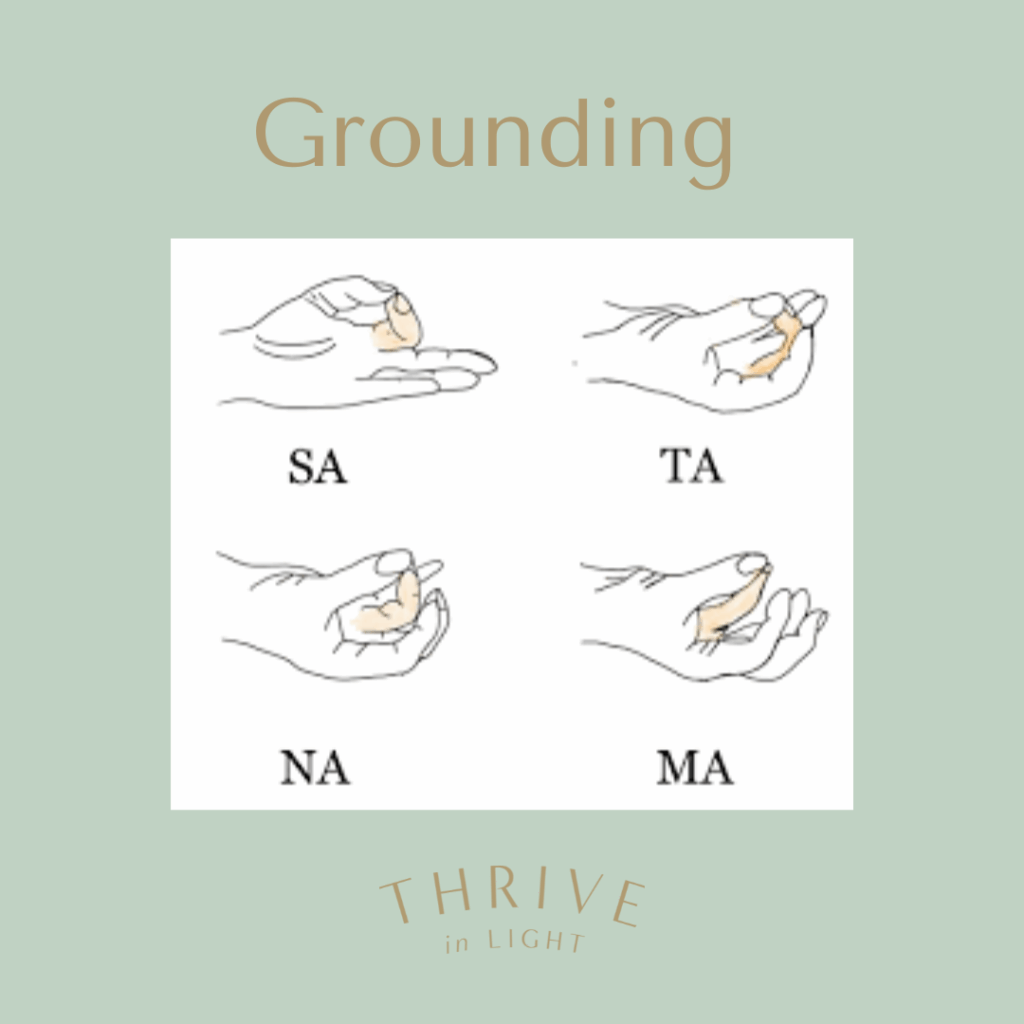
GROUNDING is a range of techniques that engage one or more of the senses to return an individual to a state of physiological equilibrium. Grounding can help bring you into the present and reorient you to the here and now. If you are feeling scattered or dissociated, it can help you to feel your body and notice your surroundings. Grounding can facilitate calm, a sense of safety, and emotional regulation.
How to Practice:
1. Sa Ta Na Ma. Touch your thumb to your index finger as you say SA. Middle finger TA. Fourth finger NA. Little finger MA.
2. Use your senses to notice what you can see, hear, smell, touch, and taste.
3. Engage your body – wriggle your toes, tap your feet on the ground, stretch your muscles, feel your lungs expand & contract when you breathe.
Source: Hammond & Brown (2025).
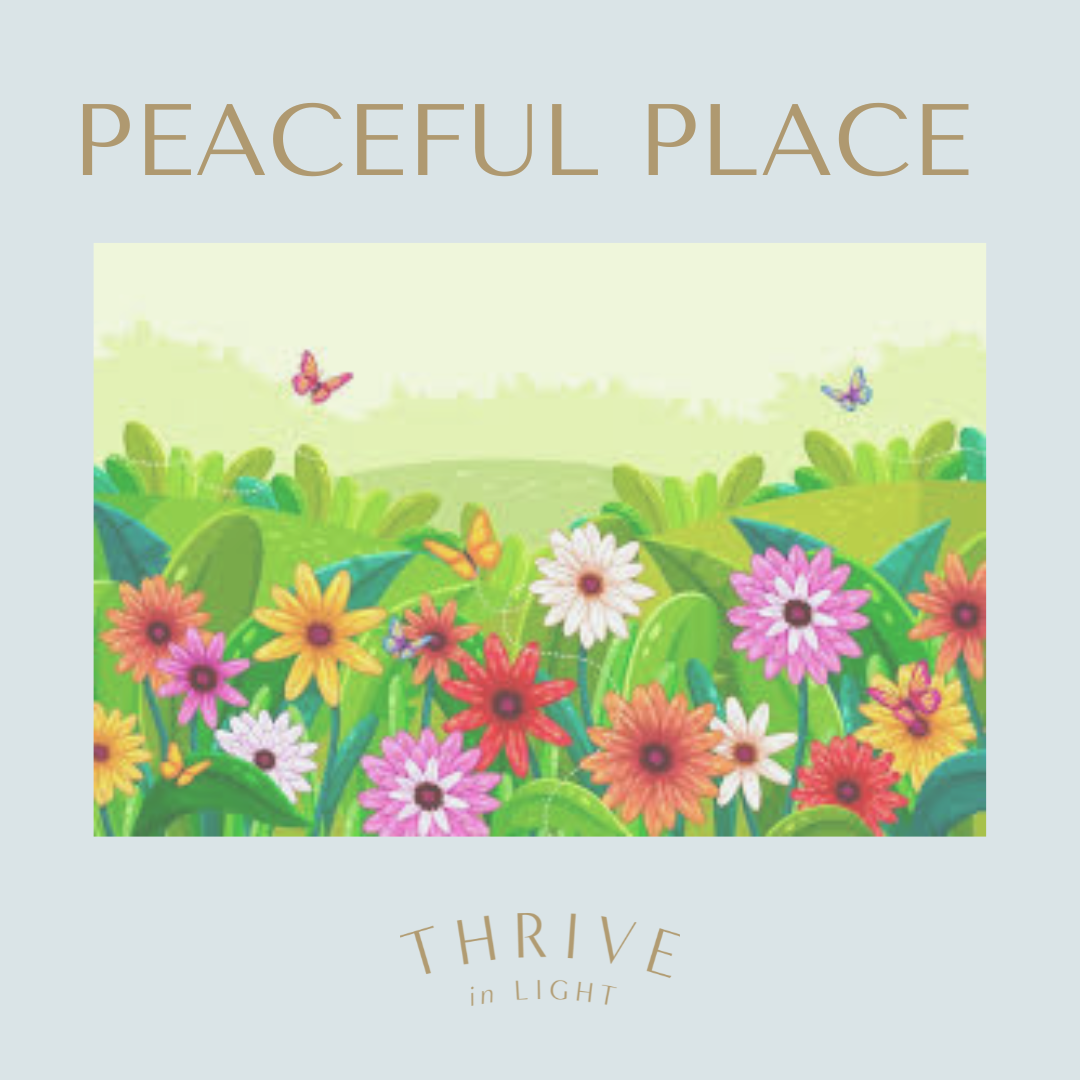
The PEACEFUL PLACE, sometimes known as the inner safe space, is a multi-sensory visualisation technique where people mentally create a peaceful, comforting, and safe space. This may be a real or imagined place. The practice may calm the brain’s threat-detection system, the amygdala. Additionally, it may create calm, groundedness, and emotional processing.
How to Practice:
1. Use a printed visual image that induces a calm response within you (a garden, cosy space with candles, puppies, a bath, a forest).
2. Listen to a guided visualisation.
3. Imagine/remember your own safe space.
4. Engage all your senses within the visualisation. What can you see, hear, touch, smell, and taste?
Source: Zehetmair et al. (2020) & Psych Kit (2026).
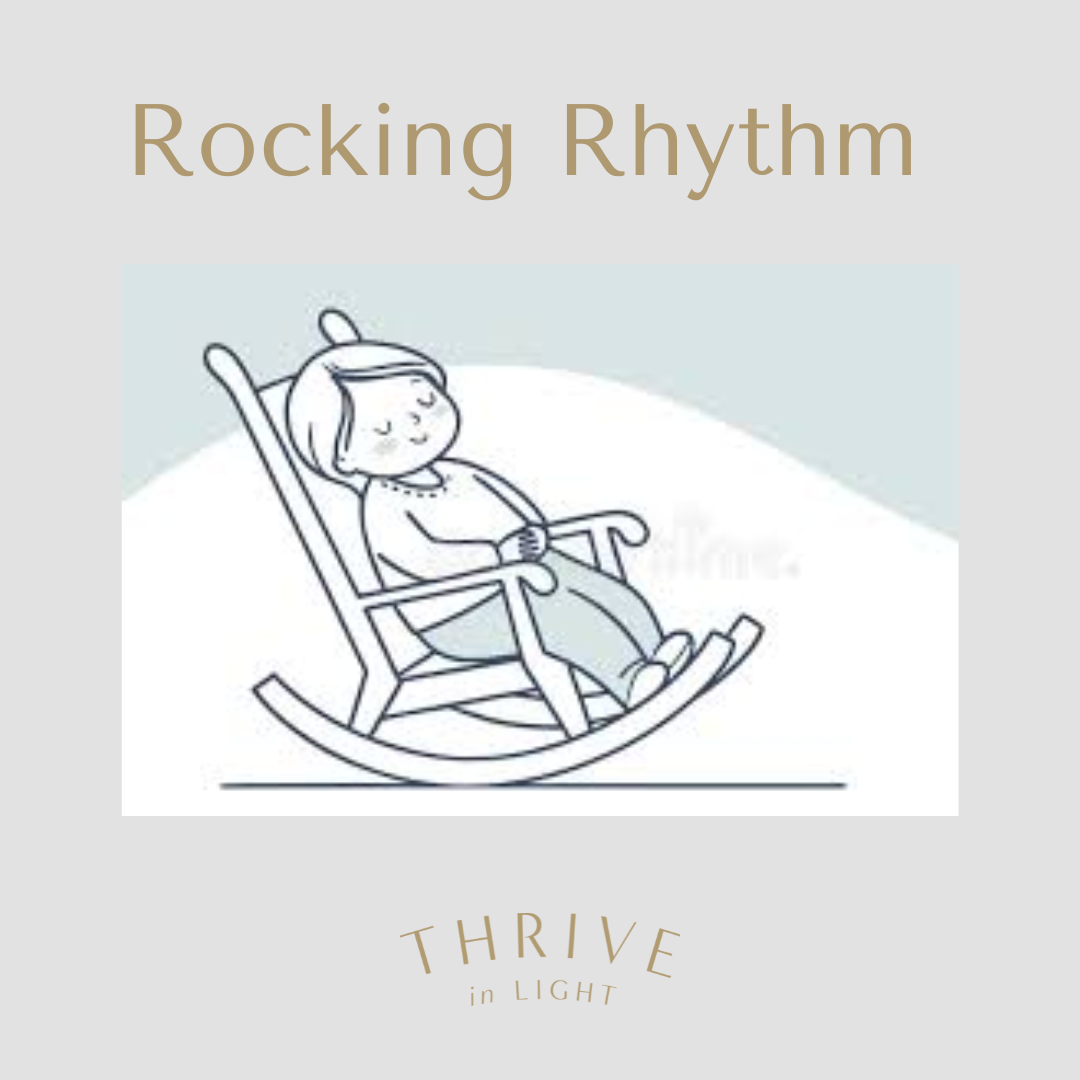
Rhythmic movement, such as ROCKING or SWINGING, may stimulate the ventral vagal system, promoting safety, calm, and social connection. Rhythmic, slow rocking mimics comforting, early-life movements, which serve as a neuroceptive cue of safety to the brain’s surveillance system. These movements are sometimes known as stimming, which are self-regulation techniques.
How to Practice:
1. Sit in a swing and move forward & backward.
2. Sit in a rocking chair & rock.
3. Stand with your feet grounded and gently shift your weight back and forth or side-to-side.
4. Lie on your back, hug your knees to your chest, and gently rock from side to side.
5. Sit comfortably and either sway your body side to side or forward & back.
Source: Korn (2018) & Kapp (2019).
Like More?
Receive our monthly newsletter featuring the regulation station, invitations for reflection & details about upcoming retreats & events.